Flying home after surgery: the honest timeline nobody puts in the package
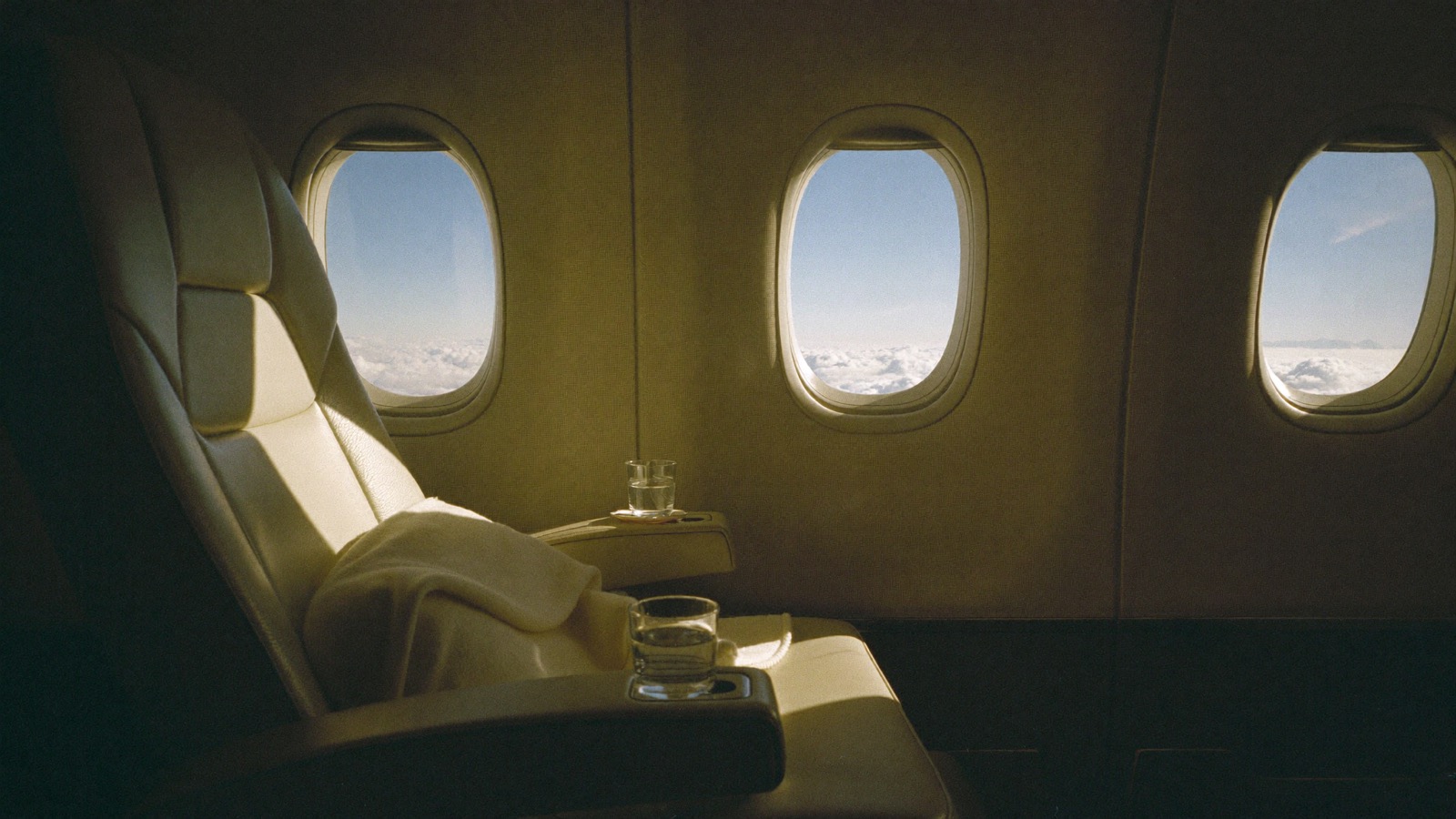
This article is for anyone planning surgery abroad who has noticed that the brochures are precise about the hospital and vague about the journey home. The flight back is the one part of a medical trip that cannot be vetted, upgraded or accompanied out of being a physiological event. It deserves the honest version.
The honest version begins with an uncomfortable fact: the date on your return ticket has no medical meaning. Your surgeon sets the date you fly, at a review, after seeing how you have healed. Everything else in this article exists to explain why, and to show what sensible planning looks like when that principle is taken seriously.
Why the aeroplane is the wrong place to be early in recovery
Surgery changes your blood. For weeks after an operation, your clotting system is more active than usual, which is precisely what healing requires and precisely what makes a long-haul flight risky. A twelve-hour sector to Europe then stacks four further factors on top: hours of sitting still, legs bent in a seat, cabin pressure equivalent to roughly 2,000 metres of altitude, and the slow dehydration of cabin air.
Individually, each is trivial. Combined with a post-surgical clotting system, they raise the risk of deep vein thrombosis, a clot forming in the leg, and of pulmonary embolism if a clot travels to the lungs. This is not a rare-but-theoretical footnote; it is the specific reason airlines publish fitness-to-fly guidance and why bodies such as the UK Civil Aviation Authority advise waiting periods after surgery at all. The risk is managed the boring way: by flying on the right date, and by following the surgeon’s instructions for the flight itself, compression, movement, hydration, and in some cases a prescribed anticoagulant injection.
Typical windows, honestly labelled
The table below is orientation, not clearance. Windows vary with the exact operation, your health, and how your recovery actually goes, which is why every row ends in the same place: your surgeon’s in-person review.
| Procedure family | Typical window before long-haul flying | Who confirms it |
|---|---|---|
| Minor skin and soft-tissue procedures | Around 2 to 5 days | Your surgeon, at review |
| Keyhole (laparoscopic) surgery | Often 5 to 10 days | Your surgeon, at review |
| Facial aesthetic surgery | Commonly 7 to 14 days | Your surgeon, at review |
| Body aesthetic surgery, e.g. abdominoplasty | Commonly 10 to 14 days or more | Your surgeon, at review |
| Open abdominal or chest surgery | Often 4 to 6 weeks | Your surgeon, at review |
| Major orthopaedic surgery, e.g. joint replacement | Often 4 to 6 weeks, with clot prevention | Your surgeon, at review |
Notice what the table implies. For most procedures worth travelling for, the medically sensible stay is measured in weeks, not days. Any itinerary that books your return flight for day three after a significant operation was designed around a price, not around you.
Contingency is the luxury that matters
A pattern from our files, anonymised and illustrative. A client in her fifties travelled from Zurich for facial surgery in Bangkok. Her stay was planned at eighteen days against an expected clearance around day twelve: surgery on day two, surgeon reviews on days four, eight and twelve, and a flexible return ticket held for day fourteen. At the day-twelve review her surgeon wanted one more look before clearing a twelve-hour flight, so a further review was added on day fifteen and the flight moved to day seventeen. The cost of that change was one phone call and three quiet days by the river. Nothing was rushed, nobody negotiated with a surgeon over an airline schedule, and the contingency built into the plan was simply used for what it was there for.
That is the entire argument for planning the stay properly, in one paragraph. Recovery timelines are estimates. A good plan treats them that way from the start, with flexible tickets, accommodation that can extend, and reviews scheduled before the flight rather than squeezed against it. This is how we structure every surgical journey to Bangkok: the flight home is planned as a medical milestone with a buffer, not a deadline.
The flight itself, and what comes after
Once cleared, the journey home still has rules. Follow whatever your surgeon prescribed for the flight, wear compression stockings if instructed, walk the cabin regularly, work your calves in the seat, drink water and skip the champagne. Choose a routing that avoids tight connections and long walks between gates. Then treat arrival as a handover, not an ending: your records, prepared in English, go to the physician who will follow you at home. We have written separately about how aftercare in Europe is arranged before you ever fly out, because the follow-up appointment at home should exist before the outbound flight does.
If you are weighing surgery abroad and want the timeline built honestly around your procedure, tell us what you are considering. We respond within 48 hours, and the plan you receive will show the recovery days and the contingency days in writing, because a journey home that nobody had to rush is what a well-run medical trip looks like from the outside.
The things people ask
01How long after surgery can you fly?
It depends on the procedure, and the only answer that counts is your surgeon's clearance at your final review. As broad orientation, minor procedures may allow flying within days, keyhole surgery is often followed by a week or more of waiting, and major open or orthopaedic surgery can mean four to six weeks before a long-haul flight is sensible. Treat every published window as a starting point for the conversation, not a promise.
02Why does flying too soon after surgery raise the risk of blood clots?
Surgery itself makes blood more prone to clotting for weeks afterwards, and a long-haul flight adds hours of immobility, cramped seating, lower cabin pressure and mild dehydration on top of it. Each factor alone is manageable; stacked together too early, they raise the risk of deep vein thrombosis and pulmonary embolism. This is why the flight home is treated as a medical event, not a travel detail.
03Who decides when I can fly home after surgery abroad?
Your operating surgeon, at an in-person review, after seeing how you have actually healed. Not your airline, not your return ticket, and not a table on the internet, including ours. A well-planned medical stay is built so that changing the flight is an adjustment rather than a crisis.
04What happens if my recovery takes longer than planned?
In a properly structured stay, very little happens, and that is the point. Flexible tickets and accommodation with contingency days mean a surgeon who wants to see you once more before clearance simply sees you once more. Complications are not caused by an extra four days in Bangkok; they are caused by boarding before you were ready.
05Does flying business class make it safer to fly early after surgery?
It helps with comfort, and a flat bed makes rest and movement easier, but it does not change your physiology. Cabin pressure, flight duration and your healing timeline are identical in every cabin. Business class is worth having for the journey home; it is not a substitute for your surgeon's clearance.
06How can I reduce clot risk on the flight home after surgery?
Follow your surgeon's specific instructions first, which may include compression stockings or a blood-thinning injection for the flight. Beyond that, the basics are walking the aisle regularly, doing calf exercises in your seat, drinking water steadily and avoiding alcohol. None of this replaces flying on the right date in the first place.

By application
Tell us what you are hoping for.
A confidential consultation, with no commitment on either side. Read personally, answered within forty-eight hours.
Begin application